


Chiropractic Care in Federal Way
A Personalized Plan for Better Spinal Health
Lasting improvement begins with understanding why your symptoms keep returning. At Pacific Northwest Chiro, chiropractic care starts with a detailed evaluation to identify the factors contributing to your symptoms and develop a personalized corrective-care plan—not a one-size-fits-all treatment.
Each part of your care has a specific purpose: identify the problem, improve spinal movement and alignment, address postural imbalances, strengthen the supporting muscles, and help you achieve meaningful long-term improvement.
Conveniently located in Federal Way, Pacific Northwest Chiro provides chiropractic care for patients from Kent, Des Moines, Redondo, SeaTac, and surrounding South King County communities.
-
Effective chiropractic care begins with understanding the problem. Your initial examination may include orthopedic testing, postural analysis, range-of-motion assessment, and radiographs when clinically appropriate. These findings help us identify the specific factors that may be contributing to your symptoms.
How specific do we get? When evaluating spinal alignment and curvature, we can measure findings down to the degree. Even subtle differences may influence posture, movement, and how stress is distributed throughout the spine. These objective measurements are considered alongside your symptoms and examination findings to help us develop an individualized, goal-oriented care plan rather than relying on guesswork.
-
Chiropractic adjustments should be delivered with a specific purpose.
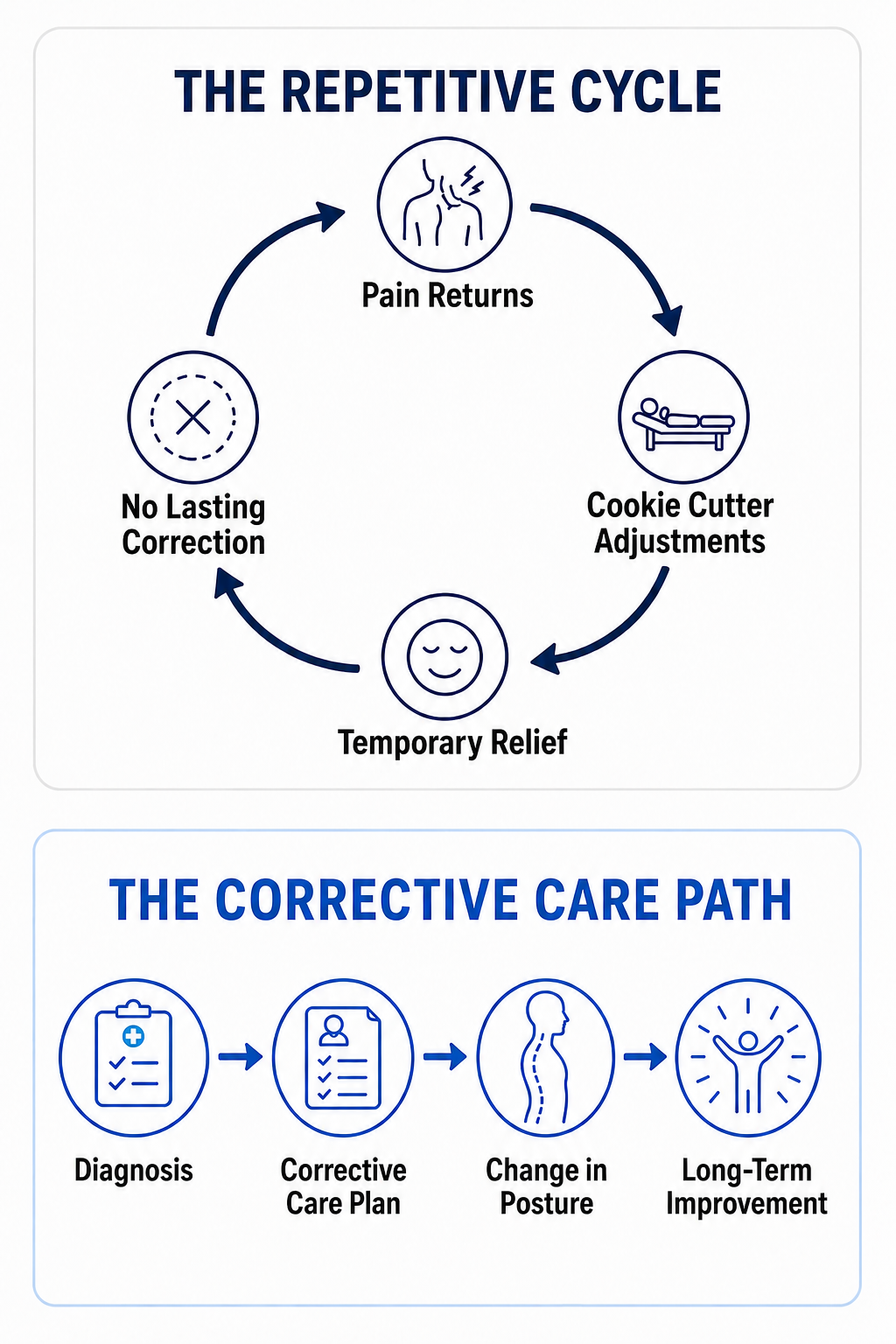
Rather than repeatedly performing the same adjustment for temporary relief, our adjustments are selected to support the goals of your corrective-care plan. Each treatment builds on the last as we work to improve joint movement, spinal alignment, posture, and overall function.
-
Adjustments can improve joint movement, but lasting improvement may also require addressing the muscles and movement patterns that influence the spine. Our clinic uses therapeutic rehabilitation exercises designed to address postural imbalances, strengthen supporting muscles, improve mobility, and reinforce healthier movement patterns.
Your rehabilitation program is customized using findings from your examination and postural analysis. Each exercise has a specific purpose and works alongside your chiropractic care to address functional and postural problems rather than focusing only on temporary symptom relief.
-
Traction therapy uses controlled, carefully directed forces to stretch the spine and surrounding tissues. The direction of pull, angle, weight, and treatment time can be customized based on your examination findings and individual needs rather than using the same setup for every patient.
Traction may be incorporated into a corrective-care plan to improve mobility, reduce stiffness, and address mechanical or postural restrictions. When appropriate, it is used alongside chiropractic adjustments and corrective rehabilitation as part of a broader treatment plan.
-
Non-surgical spinal decompression is a traction-based therapy that may be appropriate for certain disc and nerve-related conditions, including bulging or herniated discs, degenerative disc disease, and some forms of radiating pain or sciatica.
Treatment parameters such as angle, tension, and duration are customized based on the affected spinal region and your individual examination findings. The table uses controlled cycles of traction and relaxation to gently apply and release tension through the spine.
For a more detailed explanation of how this therapy works, visit our Spinal Decompression page.
Extremity Chiropractic Care
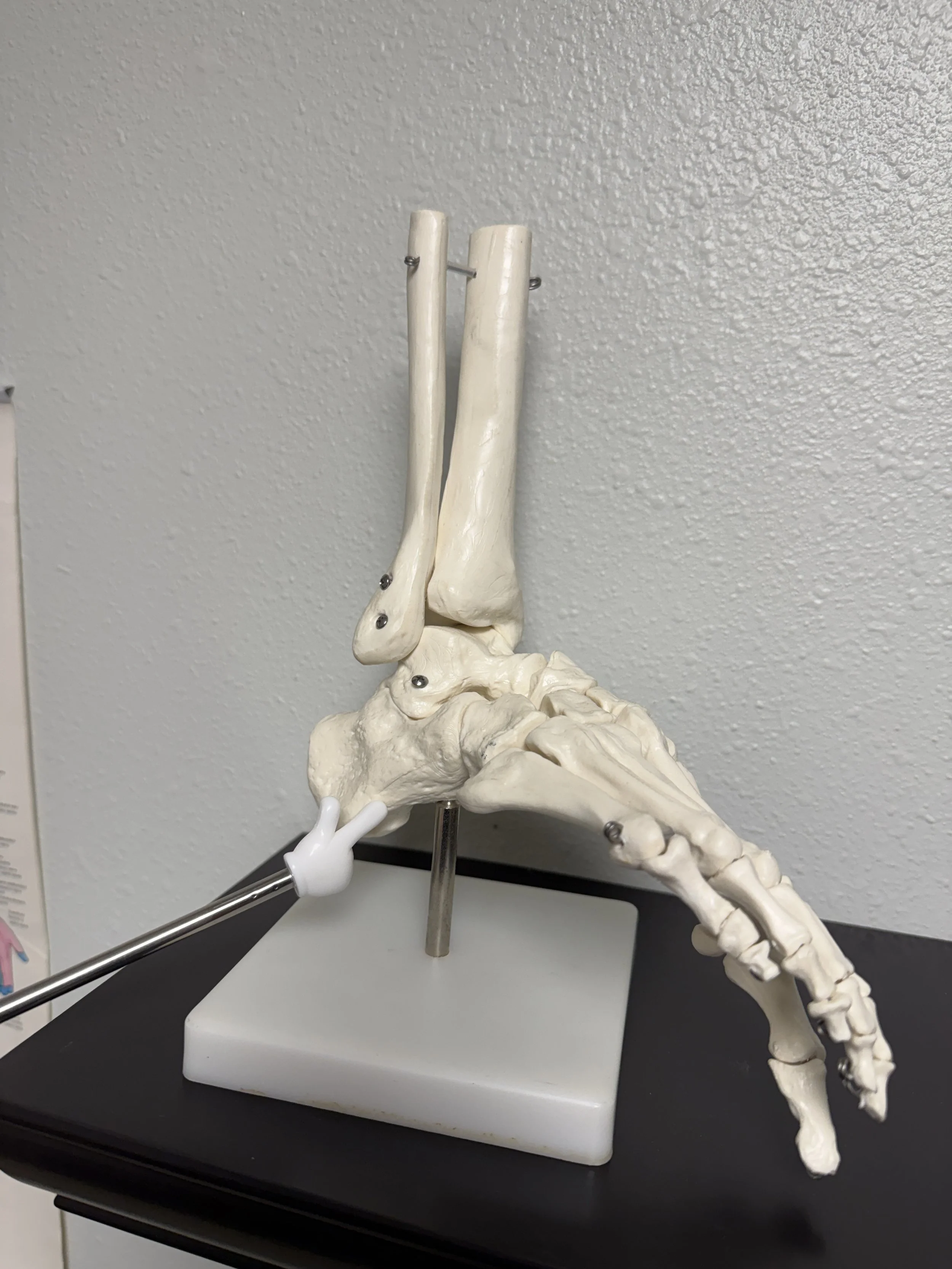
Chiropractic care isn't limited to the spine. Joint restrictions, altered movement, injuries and other musculoskeletal diagnosis can also affect can affect the shoulders, elbows, wrists, hips, knees, ankles, and feet.
When appropriate, extremity evaluation and chiropractic care may be incorporated into your treatment plan to help improve joint mobility and function and address areas contributing to pain or restricted movement.
Whole Family Care
Dr. Cross believes chiropractic care should be personalized for every stage of life. Pacific Northwest Chiro welcomes patients of all ages, from children to older adults, with care adapted to each patient’s age, needs, comfort, and examination findings.
For younger patients, techniques and treatment are modified appropriately with an emphasis on gentle, individualized care.

Corrective Care — Targeting the Source
Chiropractic adjustments can improve joint movement, but an adjustment alone may not address every factor contributing to recurring pain. Our corrective-care approach combines targeted chiropractic adjustments with rehabilitation designed to improve mobility, posture, stability, and function.
The goal is not simply short-term symptom relief. We look for the physical and functional factors that may be contributing to recurring discomfort so your care can be directed toward those findings.
Your care begins with a comprehensive examination that may include orthopedic testing, postural analysis, movement assessments, and radiographs when clinically appropriate. We use those findings to develop an individualized treatment plan based on your needs and goals.
Our approach is designed for patients who want more than temporary relief. We focus on understanding why symptoms may be recurring and developing a plan aimed at improving movement, function, and long-term spinal health.
Understanding Lumbar Discs & Spinal Nerves
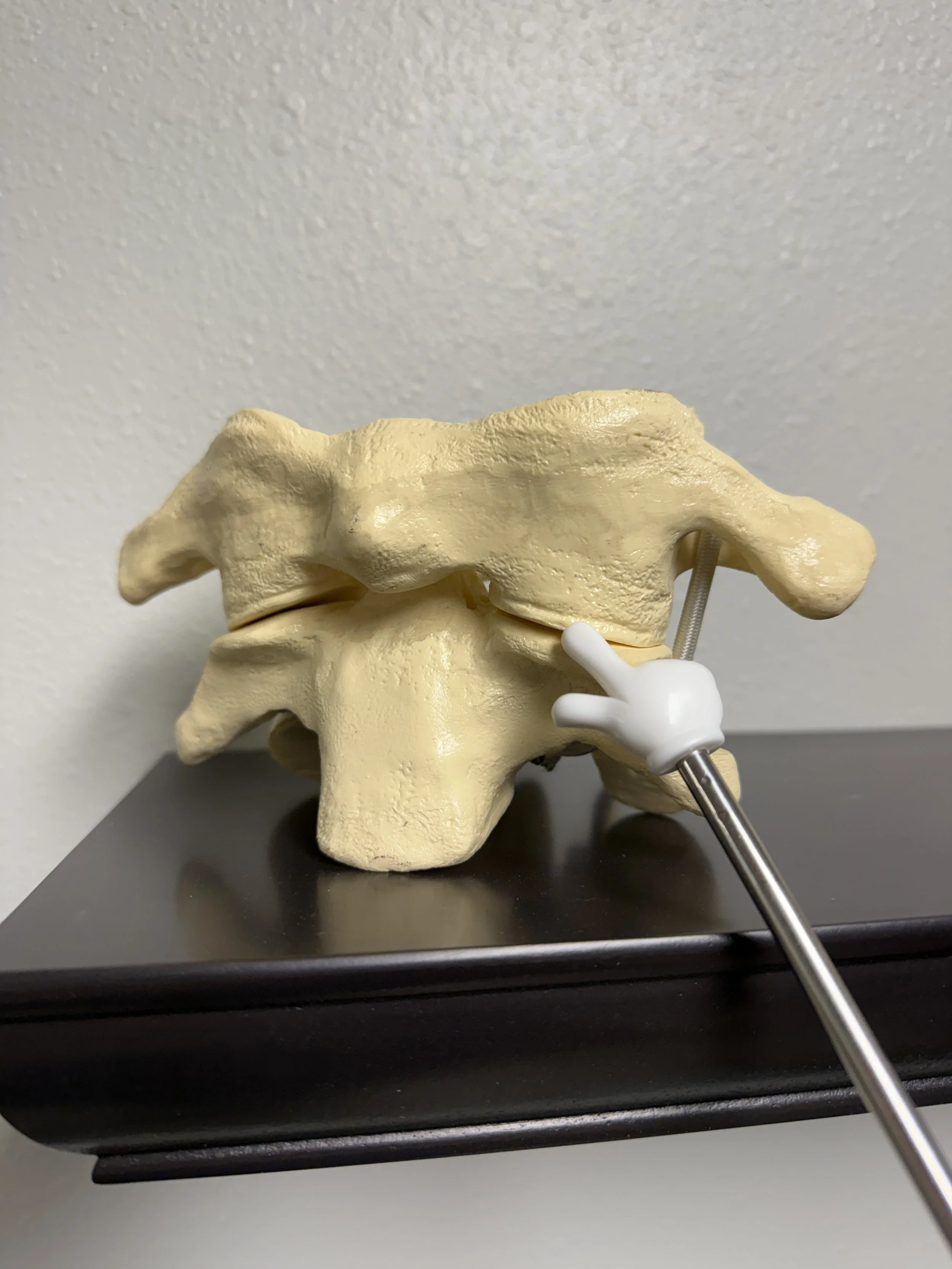
Learn how the lower back works. Dr. Cross uses a spine model to explain lumbar discs, spinal nerves, and how these structures relate to common causes of low back and radiating leg pain.
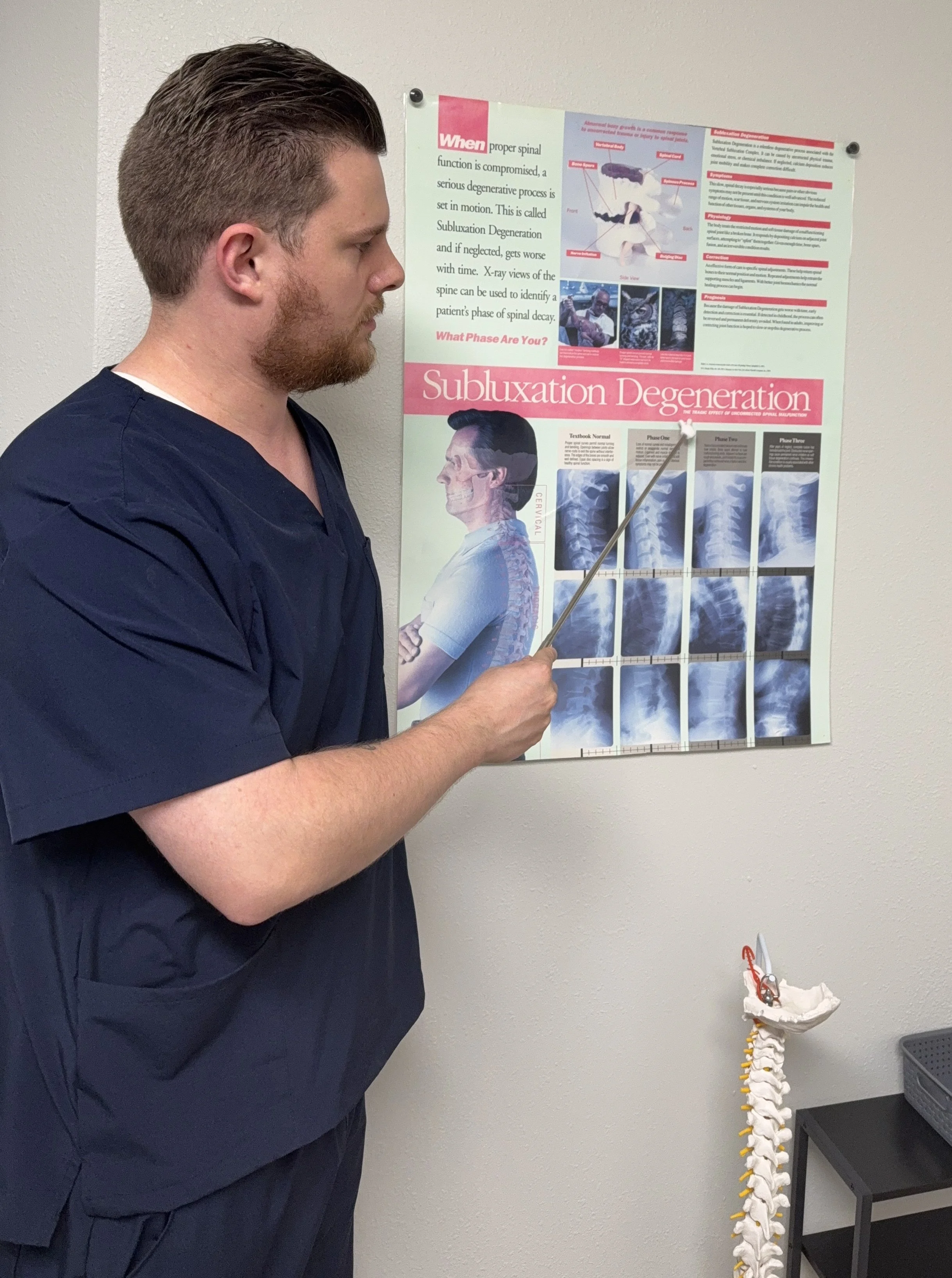
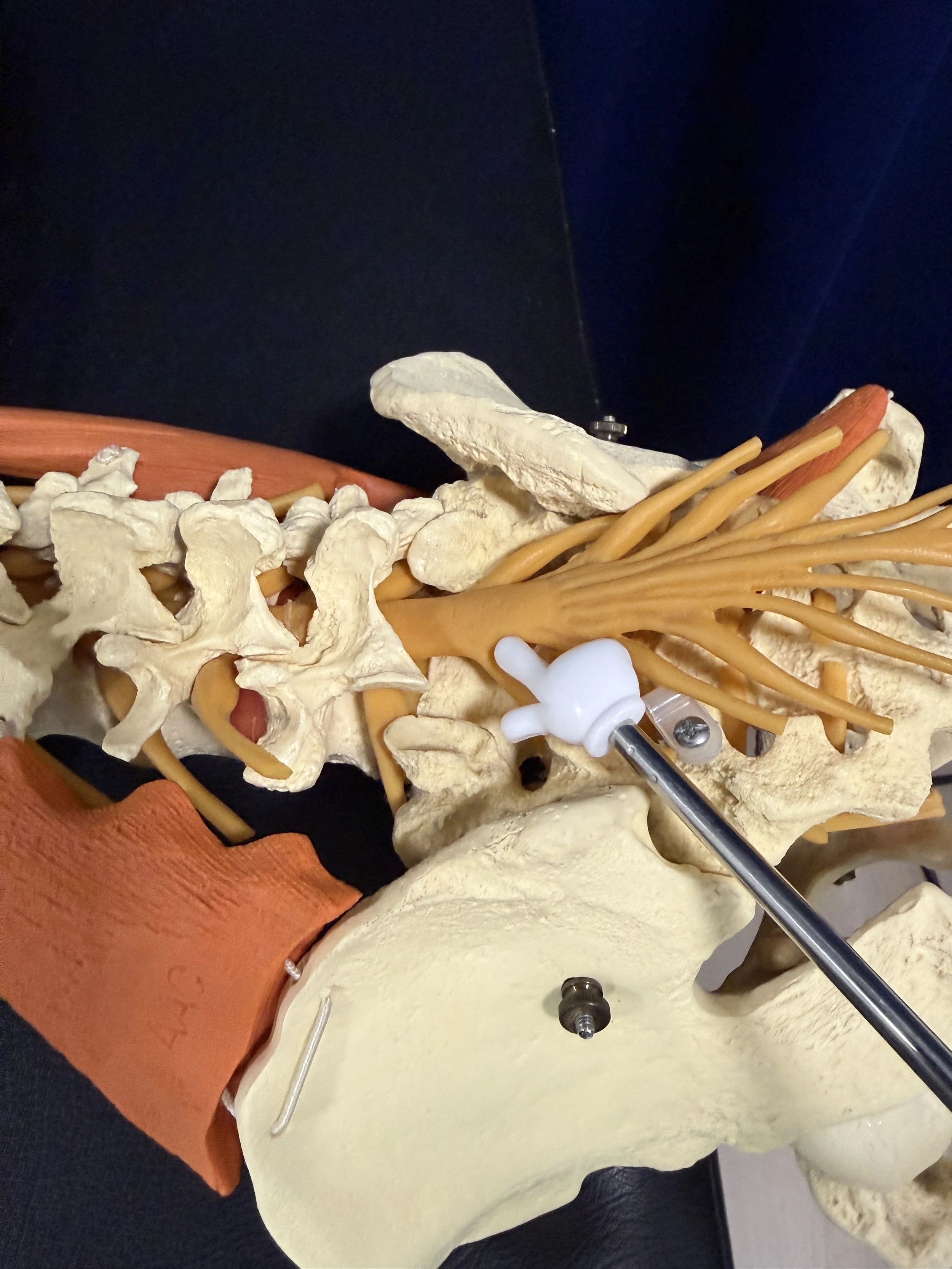
Dr. Cross uses a spine model to explain the anatomy of a lumbar disc and spinal nerve and how these structures relate to low back pain and radiating leg pain.